The Living Language of Tradition

Heritage arts are not relics of the past, but highly developed visual systems created to communicate identity, belief, and authority with clarity and beauty.
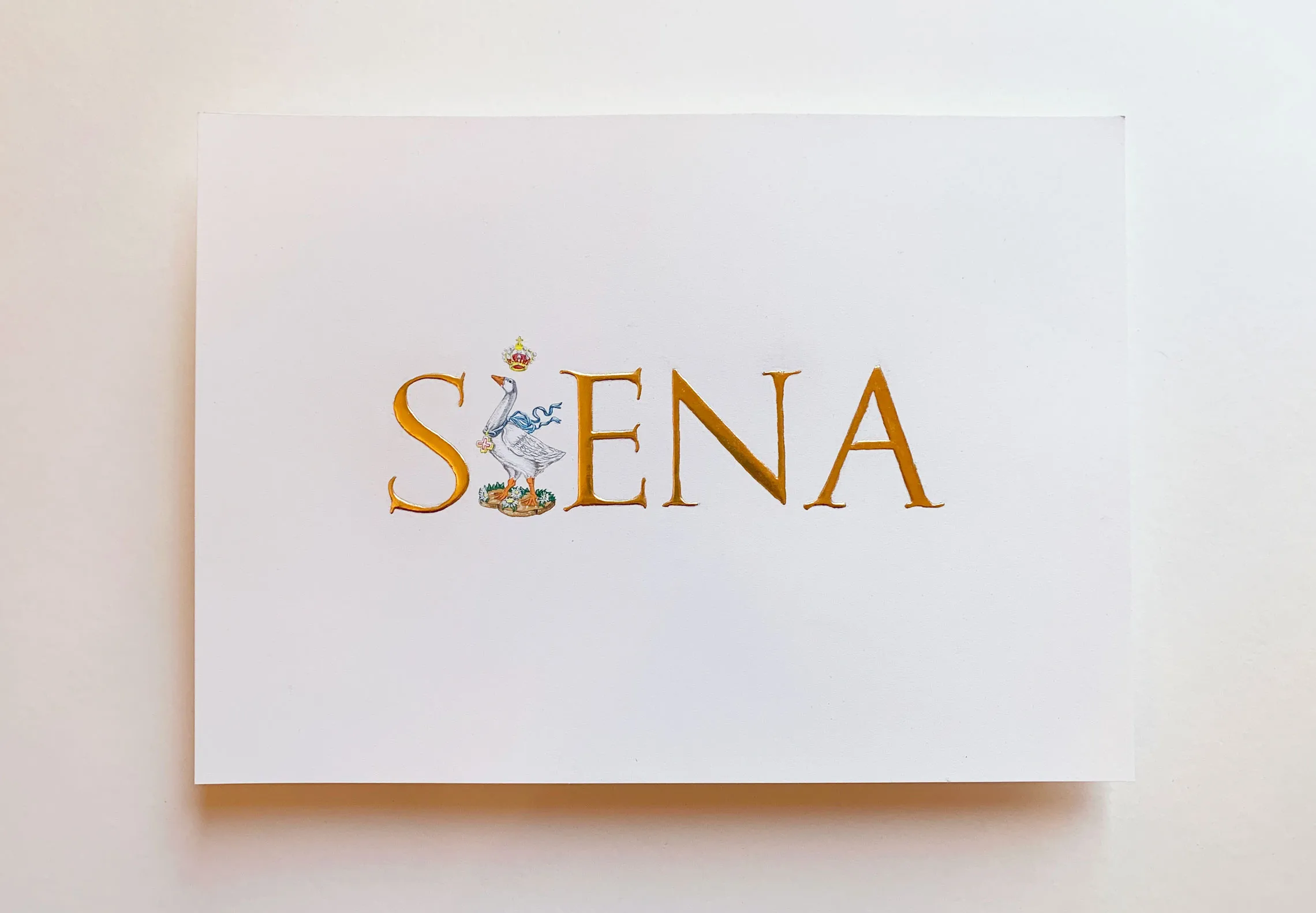
Long before modern branding, illustration, or graphic design, these disciplines solved the same fundamental problems: how to encode meaning into form, colour, and symbol — and how to ensure that meaning endured across generations.

My art practice often brings me to learn, research and reintroduce traditional art forms into the present. Through the years I’ve fell in love with some more than others and I do my best to keep them “alive and thriving”, in a world more and more dominated by mass production and automation.

Across commissions and teaching, my aim is to keep these disciplines alive — not as historical curiosities, but as living crafts, practised with rigour, and respect for their origins.

Heraldic Art

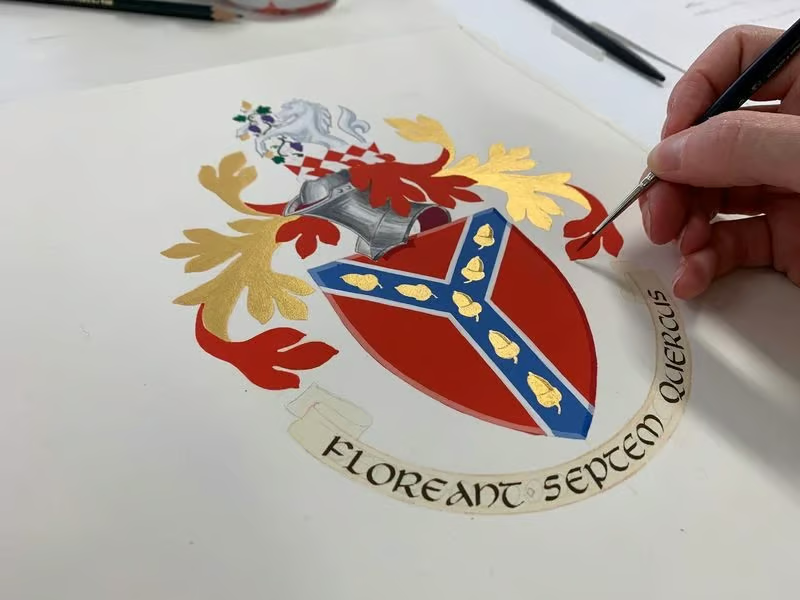
Heraldic Art and Heraldry are often described as the precursor to modern identity design — a system developed not for decoration, but for recognition.

In the Middle Ages, coats of arms allowed individuals, families, and institutions to be identified instantly on battlefields, in tournaments, and in civic life. From this need emerged a precise visual language, governed by strict conventions and symbolic logic.

To those who can read it, heraldry reveals extraordinary depth. Through colour, form, charges, and the joining of arms, it communicates lineage, inheritance, alliances, and status — even distinguishing gender and tracing bloodlines through marriage and descent.

Today, heraldry remains a living discipline, still regulated, meaningful, and capable of telling complex stories through visual form alone.
Illumination

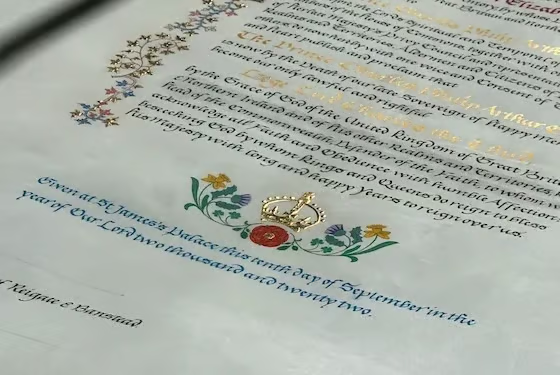
Illumination and miniated is the art of transforming text into something sacred, ceremonial, and enduring.

Historically practiced within monastic scriptoria and later professional workshops, illumination combined calligraphy, painting, and gold to elevate documents of importance. Gold leaf was never merely decorative — it signified authority, permanence, and the divine, while ornament guided the reader’s eye and reinforced meaning.

The illuminated page demands time, patience, and precision. Each element exists in dialogue with the text, creating an object that is both functional and reverent — made not to be consumed quickly, but to be kept.

Water Marbling

Water Marbling, the art of painting on water, originates in Asia but travelled across time through the Islamic world and Europe. It represents in my opinion a perfect example of how heritage crafts and humans relate to each other, changing through time and places thanks to the hands of curious and skilled artisans.

Each float is unique, and although a skilled artisan can make them look very similar, this is really the case where each page or sheet you’ll ever lift from a marbling bath it’s the only one will ever exist of that kind. Each practitioner contributes to a craft’s development and so you have Suminagashi in Japan, Turkish Ebru and then Florentine marbling in Western Europe. 

Iconography

Illumination and miniated is the art of transforming text into something sacred, ceremonial, and enduring.

Historically practiced within monastic scriptoria and later professional workshops, illumination combined calligraphy, painting, and gold to elevate documents of importance. Gold leaf was never merely decorative — it signified authority, permanence, and the divine, while ornament guided the reader’s eye and reinforced meaning.

The illuminated page demands time, patience, and precision. Each element exists in dialogue with the text, creating an object that is both functional and reverent — made not to be consumed quickly, but to be kept.

Everything looks terrific and better than the pictures. You have exceeded my expectations! The next time you hear from me, I should have the crest framed and hung. Thanks so much for your talented work. I couldn’t have found anybody better. I’m sure this is not our last collaboration.

Rick E.

The Living Language of Tradition

Heritage arts are not relics of the past, but highly developed visual systems created to communicate identity, belief, and authority with clarity and beauty.

Long before modern branding, illustration, or graphic design, these disciplines solved the same fundamental problems: how to encode meaning into form, colour, and symbol — and how to ensure that meaning endured across generations.

My practice is rooted in three such traditions — Heraldry, Illumination, and Iconography — each governed by its own rules, symbolism, and history. Practised with integrity, they remain powerful, relevant, and deeply human ways of making meaning today.

My training in heritage arts began at an early age and has been shaped by formal study in both the UK and Italy.

I studied Illumination and Iconography in Florence, and Heraldic Art at the Reigate School of Arts, alongside studies at the Institute of Heraldic and Genealogical Studies. I now work with the College of Arms, creating bespoke heraldic and illuminated works.

Across commissions and teaching, my aim is to keep these disciplines alive — not as historical curiosities, but as living crafts, practised with rigour, restraint, and respect for their origins.

Heraldic Art

Heraldic Art and Heraldry are often described as the precursor to modern identity design — a system developed not for decoration, but for recognition.

In the Middle Ages, coats of arms allowed individuals, families, and institutions to be identified instantly on battlefields, in tournaments, and in civic life. From this need emerged a precise visual language, governed by strict conventions and symbolic logic.

To those who can read it, heraldry reveals extraordinary depth. Through colour, form, charges, and the joining of arms, it communicates lineage, inheritance, alliances, and status — even distinguishing gender and tracing bloodlines through marriage and descent.

Today, heraldry remains a living discipline, still regulated, meaningful, and capable of telling complex stories through visual form alone.

Illumination

Illumination and miniated is the art of transforming text into something sacred, ceremonial, and enduring.

Historically practiced within monastic scriptoria and later professional workshops, illumination combined calligraphy, painting, and gold to elevate documents of importance. Gold leaf was never merely decorative — it signified authority, permanence, and the divine, while ornament guided the reader’s eye and reinforced meaning.

The illuminated page demands time, patience, and precision. Each element exists in dialogue with the text, creating an object that is both functional and reverent — made not to be consumed quickly, but to be kept.

Water Marbling

Water Marbling, the art of painting on water, originates in Asia but travelled across time through the Islamic world and Europe. It represents in my opinion a perfect example of how heritage crafts and humans relate to each other, changing through time and places thanks to the hands of curious and skilled artisans.

Each float is unique, and although a skilled artisan can make them look very similar, this is really the case where each page or sheet you’ll ever lift from a marbling bath it’s the only one will ever exist of that kind. Each practitioner contributes to a craft’s development and so you have Suminagashi in Japan, Turkish Ebru and then Florentine marbling in Western Europe. 
Iconography

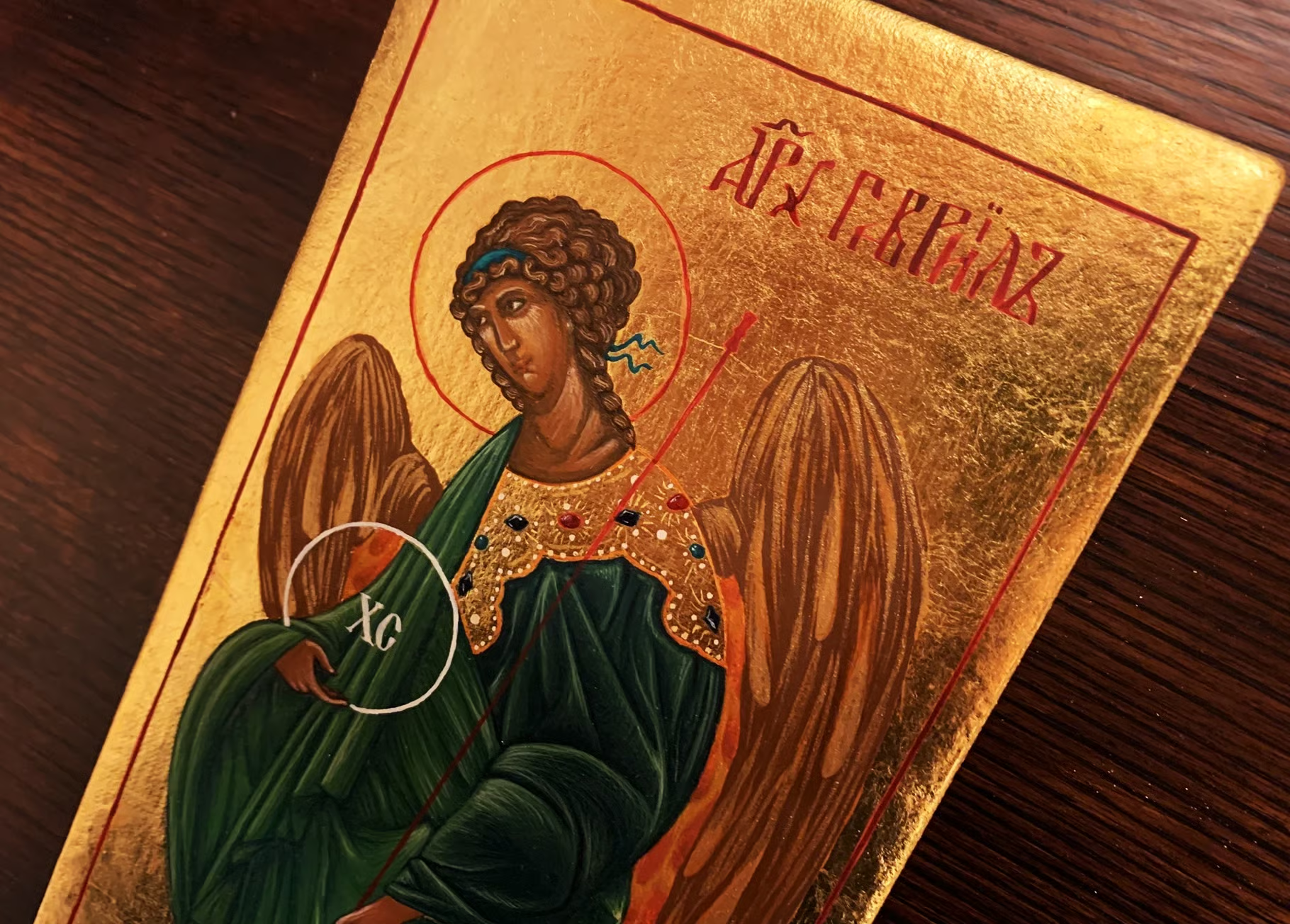
Illumination and miniated is the art of transforming text into something sacred, ceremonial, and enduring.

Historically practiced within monastic scriptoria and later professional workshops, illumination combined calligraphy, painting, and gold to elevate documents of importance. Gold leaf was never merely decorative — it signified authority, permanence, and the divine, while ornament guided the reader’s eye and reinforced meaning.

The illuminated page demands time, patience, and precision. Each element exists in dialogue with the text, creating an object that is both functional and reverent — made not to be consumed quickly, but to be kept.

Everything looks terrific and better than the pictures. You have exceeded my expectations! The next time you hear from me, I should have the crest framed and hung. Thanks so much for your talented work. I couldn’t have found anybody better. I’m sure this is not our last collaboration.

Rick E.

Get in Touch

The Living Language of Tradition

Heritage arts are not relics of the past, but highly developed visual systems created to communicate identity, belief, and authority with clarity and beauty.

Long before modern branding, illustration, or graphic design, these disciplines solved the same fundamental problems: how to encode meaning into form, colour, and symbol — and how to ensure that meaning endured across generations.

My art practice often brings me to learn, research and reintroduce traditional art forms into the present. Through the years I’ve fell in love with some more than others and I do my best to keep them “alive and thriving”, in a world more and more dominated by mass production and automation.

Across commissions and teaching, my aim is to keep these disciplines alive — not as historical curiosities, but as living crafts, practised with rigour, and respect for their origins.

Heraldic Art

Heraldic Art and Heraldry are often described as the precursor to modern identity design — a system developed not for decoration, but for recognition.

In the Middle Ages, coats of arms allowed individuals, families, and institutions to be identified instantly on battlefields, in tournaments, and in civic life. From this need emerged a precise visual language, governed by strict conventions and symbolic logic.

To those who can read it, heraldry reveals extraordinary depth. Through colour, form, charges, and the joining of arms, it communicates lineage, inheritance, alliances, and status — even distinguishing gender and tracing bloodlines through marriage and descent.

Today, heraldry remains a living discipline, still regulated, meaningful, and capable of telling complex stories through visual form alone.

Illumination

Illuminated and miniated manuscripts in vary different styles were mainly used for sacred texts and to assert one’s status. They’re ultimate purpose was to glorify and elevate the written word (in . many religions God’s words), and more secularly its commissioner.

Historically, it was practiced within monastic and other religious scriptoria to preserve and adorn sacred text. Later in professional workshops, illumination combined calligraphy, painting were used to elevate documents of importance and secular texts. The materials used, not only limited to the use of gold leaf, were indicative of prestige, authority, and wealth.

The illuminated page demands time, patience, and precision. Each element exists in dialogue with the text, creating an object that is both functional and reverent — made not to be consumed quickly, but to be kept.

Water Marbling

Water Marbling, the art of painting on water, originates in Asia but travelled across time through the Islamic world and Europe. It represents in my opinion a perfect example of how heritage crafts and humans relate to each other, changing through time and places thanks to the hands of curious and skilled artisans.

Each float is unique, and although a skilled artisan can make them look very similar, this is really the case where each page or sheet you’ll ever lift from a marbling bath it’s the only one will ever exist of that kind. Each practitioner contributes to a craft’s development and so you have Suminagashi in Japan, Turkish Ebru and then Florentine marbling in Western Europe. 

Iconography

Iconography is a visual language shaped by belief, tradition, and continuity.

Unlike illustrative art, iconography is bound by inherited forms and symbolism. Gesture, colour, proportion, and composition are carefully prescribed, carrying theological and cultural meaning refined over centuries. Freedom lies not in invention, but in faithful interpretation.

Practised with respect, iconography offers a profound clarity — images that are instantly recognisable, deeply symbolic, and resistant to trend or fashion.

Everything looks terrific and better than the pictures. You have exceeded my expectations! The next time you hear from me, I should have the crest framed and hung. Thanks so much for your talented work. I couldn’t have found anybody better. I’m sure this is not our last collaboration.

Rick E.